

News
Worldwide K-Beauty Platform SILICON2


SILICON2: DELIVERING K-TRENDS IN REAL TIME
 KIM SUNG WOON, PRESIDENT OF SILICON2
KIM SUNG WOON | PRESIDENT OF SILICON2
Your company has experienced remarkable growth, and given your deep understanding of the industry, I would like to begin with a broader, macro-level question. Korean beauty has become genuinely extraordinary. Korea was once regarded as a small and relatively simple market, yet last year it became the world’s fastest-growing beauty export country, outpacing France and the United States. Global demand for Korean beauty and Korean products is exceptionally strong.
However, as mentioned earlier, China and the United States remain the dominant destinations, and the majority of Korean beauty exports are still concentrated in Asia. Europe, the Middle East, and Latin America remain largely untapped markets. As a frontrunner in Korean beauty’s global expansion, how do you expect K-beauty’s global penetration to evolve in the coming years?
The first major wave of demand for Korean brands came from China and the wider Asian region. That was natural. Our cultures are geographically close, which means cultural content travels quickly and consumers are familiar with one another’s preferences. Logistics across the region are also highly efficient, and all these factors combined to create early and strong demand for Korean brands in Asia.
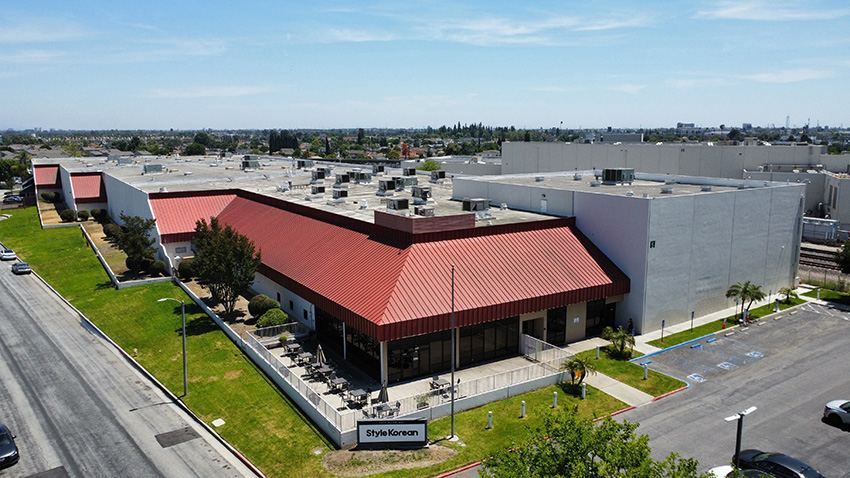 USA Subsidiary (STYLEKOREAN INC.)
But we knew that long-term growth could not rely on Asia alone. That is why we entered the United States. Around 2015, when we first expanded there, we noticed a widening discrepancy. The speed at which Korean trends spread globally through digital platforms was far faster than the speed at which products physically reached global consumers.
Platforms like YouTube and Instagram were sending Korean content across borders almost instantly, but logistics could not keep up.
As a result, when we arrived in the U.S., we found Korean products being sold that had been popular in Korea two or three years earlier. The U.S. market was significantly behind the real-time Korean trend cycle. We recognized the need to synchronize the velocity of digital content with the pace of physical distribution.
The challenge was that the U.S. market is extremely expensive to operate in. When only a handful of Korean companies enter that kind of environment, it becomes difficult for them to maintain cost efficiency on their own.
So we consolidated key functions such as container shipping, warehousing, and distribution channels. By doing this centrally, we allowed Korean brands to enter the U.S. more quickly and at a lower cost.
Because we could bring trending products directly from Korea in real time while buyers in the U.S. were still discovering older products, we were able to close the gap between digital trends and physical availability. That synchronization became a crucial factor in our growth.
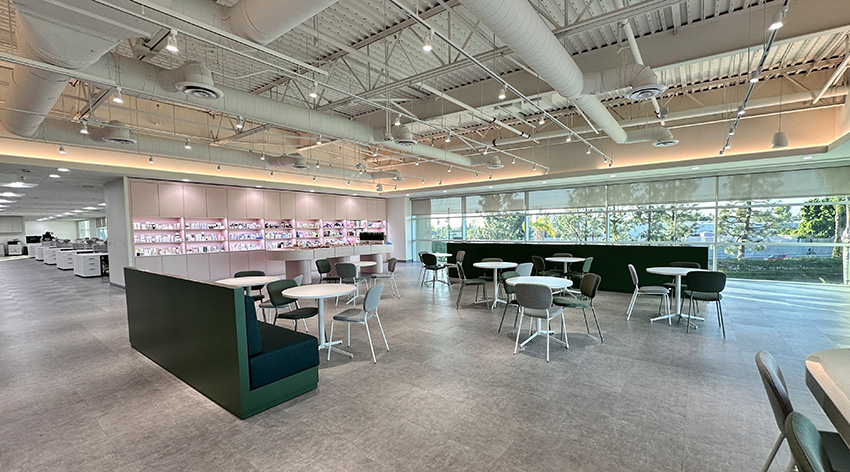 USA Subsidiary (STYLEKOREAN INC.)
Has this synchronization between digital trends and product distribution now been achieved in the United States?
To a considerable extent, yes.
For Korean brands, we reduced costs and expanded opportunities for overseas entry by building necessary infrastructure. For U.S. buyers and distributors, we became a reliable middle layer. When major American retailers such as Walmart, Target, and Amazon meet individual Korean brands, every brand says the same thing: “We are the best.” But buyers have no objective way to confirm which brands are genuinely resonating with consumers.
We provide them with transparent and real-time data. We can explain which brands are truly popular at that moment, which ones are fading, and which ones are emerging strongly. U.S. partners appreciate this clarity because it reduces uncertainty and allows them to make informed decisions.
Because we manage authorized distribution, we also maintain price stability and prevent harmful market behaviors, such as unauthorized buyers discounting products to unsustainable levels. This stops the market from becoming chaotic and allows new and trustworthy distributors to enter with confidence. By stabilizing the ecosystem, we helped reinforce the long-term value of Korean brands in the U.S.
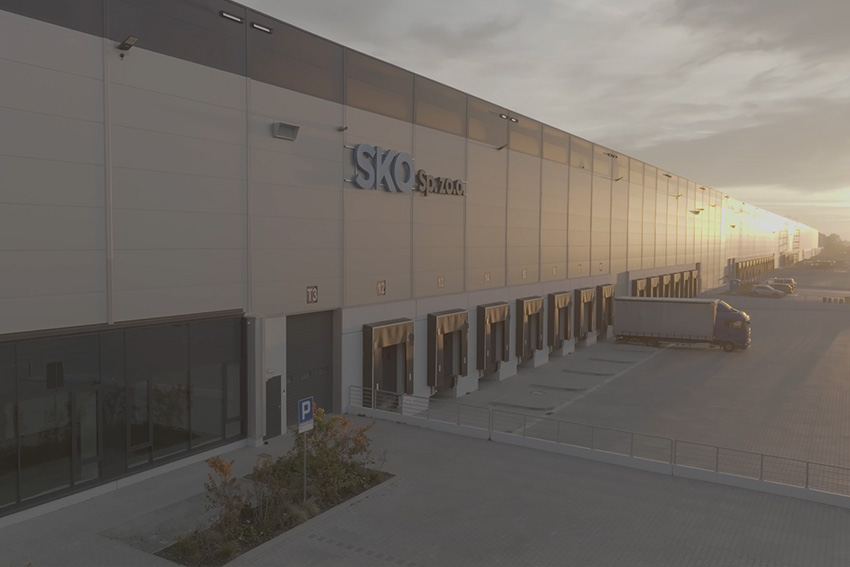 Poland Subsidiary (SKO SP. Z O. O.)
Before moving on, let us revisit the European market. During recent observations in France, even major retailers such as Sephora carried only a limited number of Korean beauty brands, which were not always easy to find.
This suggests that Korean beauty may not yet be fully established in Europe or the Middle East. About ten years ago in the United States, you spoke about a structural desynchronization between content and product. Do you see a similar dynamic emerging today in Europe and the Middle East, and do you view this as a key challenge for these markets?
We established our European branch in January 2023, so it has been close to three years. In just the third quarter of this year, our European branch generated over 100 billion KRW in sales. I share this figure because Europe has long struggled with serious information asymmetry.
Vendors supplying to Sephora or other large chains tend to promote whatever products they represent as “the best,” simply because they have authorization from the brand. But those products do not necessarily reflect real consumer trends. Often, popular products that should enter Sephora do not make it in, while products pushed by strong sales teams do.
We reduced this information gap considerably by supplying Europe with a broader range of genuinely trending Korean products. Consumers there can now access what they see online, even if not always directly through Sephora. For example, our collaboration with Boots in the UK only began a year ago, and we already supply them with eighteen Korean brands. That level of adoption shows European retail is beginning to reflect true Korean trends.
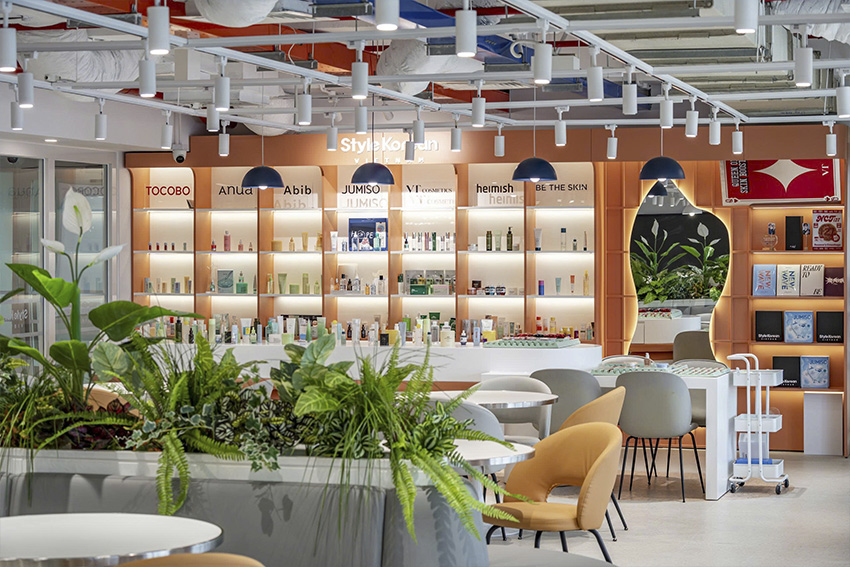 Vietnam Subsidiary (STYLEKOREAN VIETNAM CO., LTD)
In Europe today, Korean beauty is viewed more as a trend category than a collection of individual brands. Consumers recognize the “Korean product” more than the brand itself. In contrast, French beauty is immediately associated with brands such as L’Oréal. What do you believe are the key factors that will transform Korean cosmetics from a trend-driven category into a long-term, sustainable global market?
It is a difficult question, but closely connected to what we have discussed.
Global beauty houses such as L’Oréal, Estée Lauder, Lancôme, and SK-II operate without being defined by national identity. But Korean brands exist under a powerful cultural umbrella: the “K-” identity. The popularity of K-pop, K-dramas, K-food, and K-beauty has grown so much that the cultural phenomenon often overshadows individual brand reputations.
As a Korean, I believe this is a remarkable moment. Korea has a long history, but for most of that history, we were not at the forefront of global cultural influence. Today, the world is enthusiastic about all things “K,” which is not only humbling but represents an extraordinary opportunity.
When I was young, I grew up on Disney and American content. Today, children around the world grow up with Korean content. The recent K-pop Demon Hunters animation is an example of Korean cultural influence shaping children’s imaginations globally. That cultural momentum gives K-beauty long-term sustainability.
From an economic standpoint, American and European products of high quality are very expensive. More affordable products are available, but satisfaction is often low. Korean products bridge this gap. They offer strong quality at reasonable prices, providing exceptional value. That cost-effectiveness, combined with cultural appeal, makes Korea extremely competitive. If we maintain this balance, sustainability is only natural.
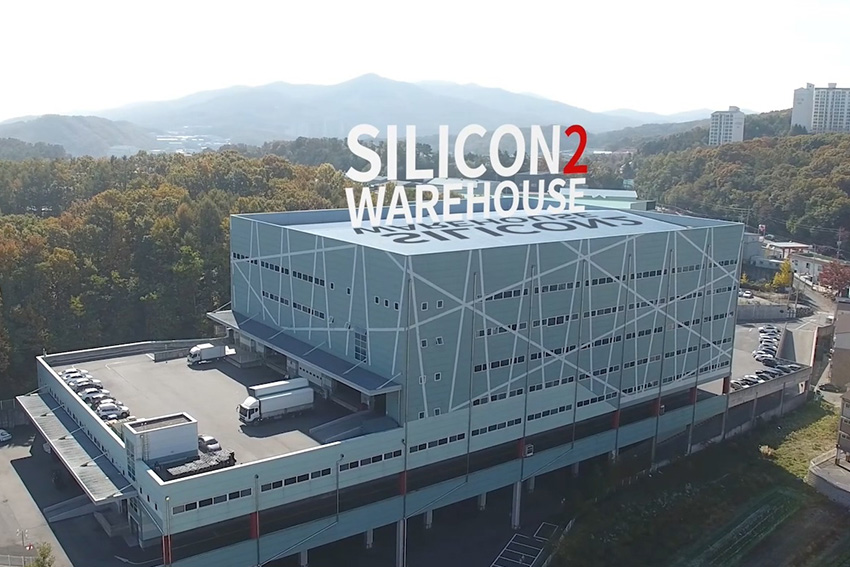 SILICON2 Logistics Center
You mentioned that while the U.S. and Europe share similarities, they require distinct strategies. Could you explain this difference?
Certainly. Shipping a container from Korea to the U.S. takes about three weeks. Shipping to Europe takes nearly three months. This longer timeline makes European operations far more cash-intensive.
In the U.S., once the container arrives, distribution is straightforward because the market operates within a single country with unified regulations. Europe, however, comprises more than thirty countries, each with different languages, regulations, and logistics requirements. It is inherently less efficient.
However, this complexity means that if you succeed in Europe, you become one of the very few companies capable of supporting brands across the entire continent. We believe we have reached an important early stage of that success, and indeed our expansion in Europe is happening faster than what we experienced in the U.S. We are applying similar principles to the Middle East as well.
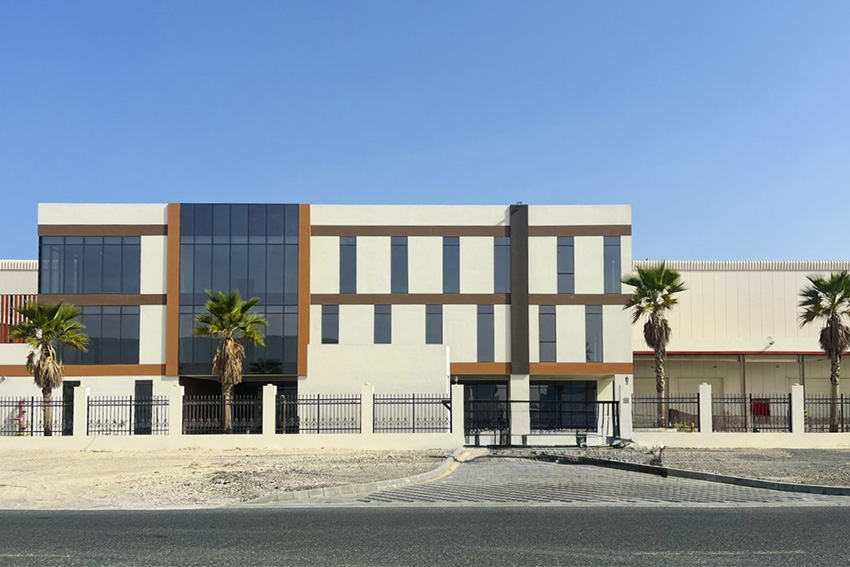 Dubai Subsidiary (STYLEKOREAN MIDDLE EAST FZE)
Shifting the focus, Silicon2 is widely recognized as a major success story in Korean beauty distribution. For readers who may not be familiar, could you introduce Silicon2 in your own words?
When I started the company, I did not have a grand vision or a glamorous long-term blueprint. I simply saw that the beauty distribution industry lacked functioning systems. Logistics were inefficient, overseas expansion was difficult, and many structural gaps prevented Korean products from being distributed effectively.
So I focused on solving one problem at a time. Over twenty-five years, that approach naturally evolved into a larger strategy.
In the U.S., we intentionally slowed down because it is a highly efficient and competitive market. We did not withdraw, but we waited for better timing.
In Europe, we accelerated because we saw significant unmet needs. The K-beauty sections in major global retail channels were not curated properly and did not represent the true energy of Korean beauty.
This realization led us to create Moida. It was not a goal from the beginning, but as we continued solving problems, the concept emerged naturally. In many ways, Silicon2’s growth has always been about identifying what K-beauty needs overseas and building the infrastructure to support it.
In several interviews, you mentioned that your long-term ambition is not to remain only a K-beauty platform but to evolve into a broader “K-platform,” expanding into K-pop, K-food, and K-fashion. How do you plan to build this, and have you already begun?
I see four major pillars of K-culture: K-pop, K-beauty, K

CEO : Kim Sung-woon Business Registration Number : 214-87-03359 Landline : +82-70-8622-5826 Fax : +82-31-789-3851
Copyright (C) SILICON2 Co., LTD. All rights reserved.
- Privacy Policy
- We reject the unauthorized collection of any email addresses from our website